
Key takeaways from the conference, technical roundtable and workshop held in Rome
Rome, 4–5 June 2026 | An initiative organised by FIDU and IPHR
On 4 and 5 June 2026, FIDU and IPHR organised three events in Rome dedicated to transnational repression (TNR) and its impact on human rights, democratic security and state sovereignty.
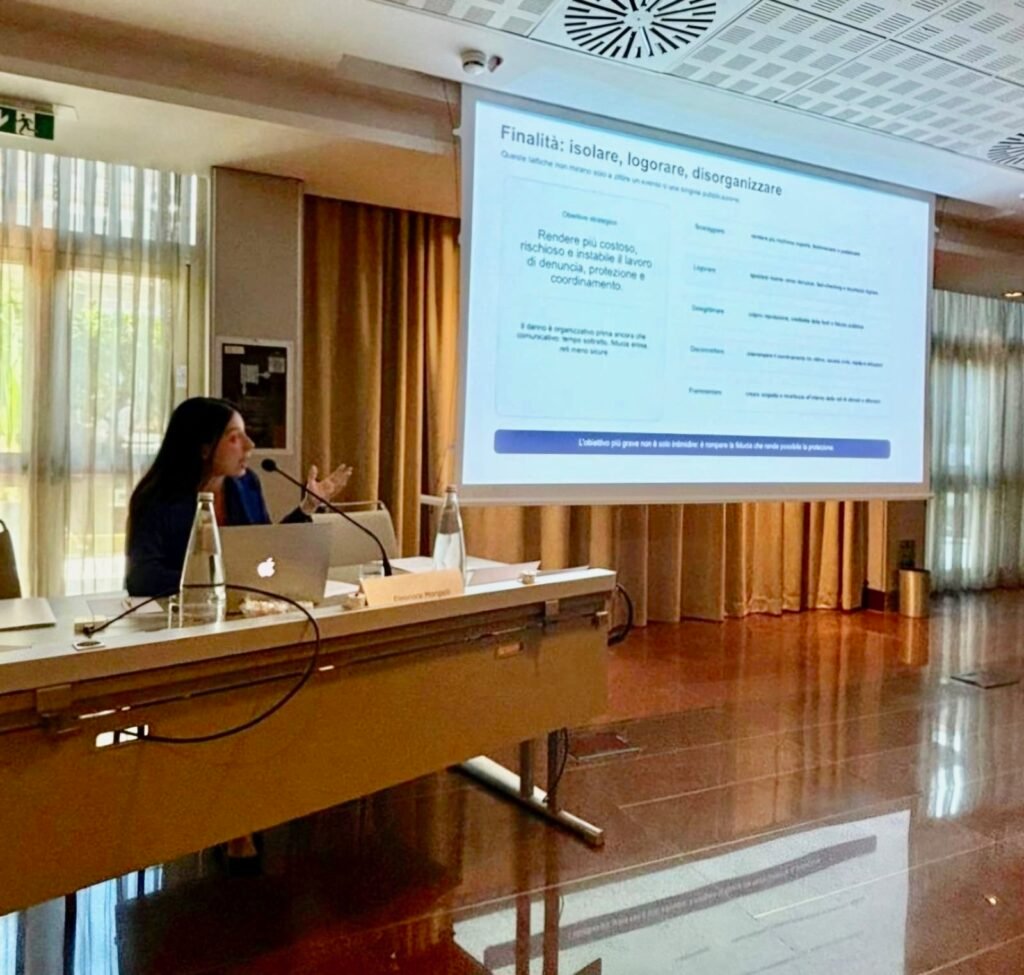
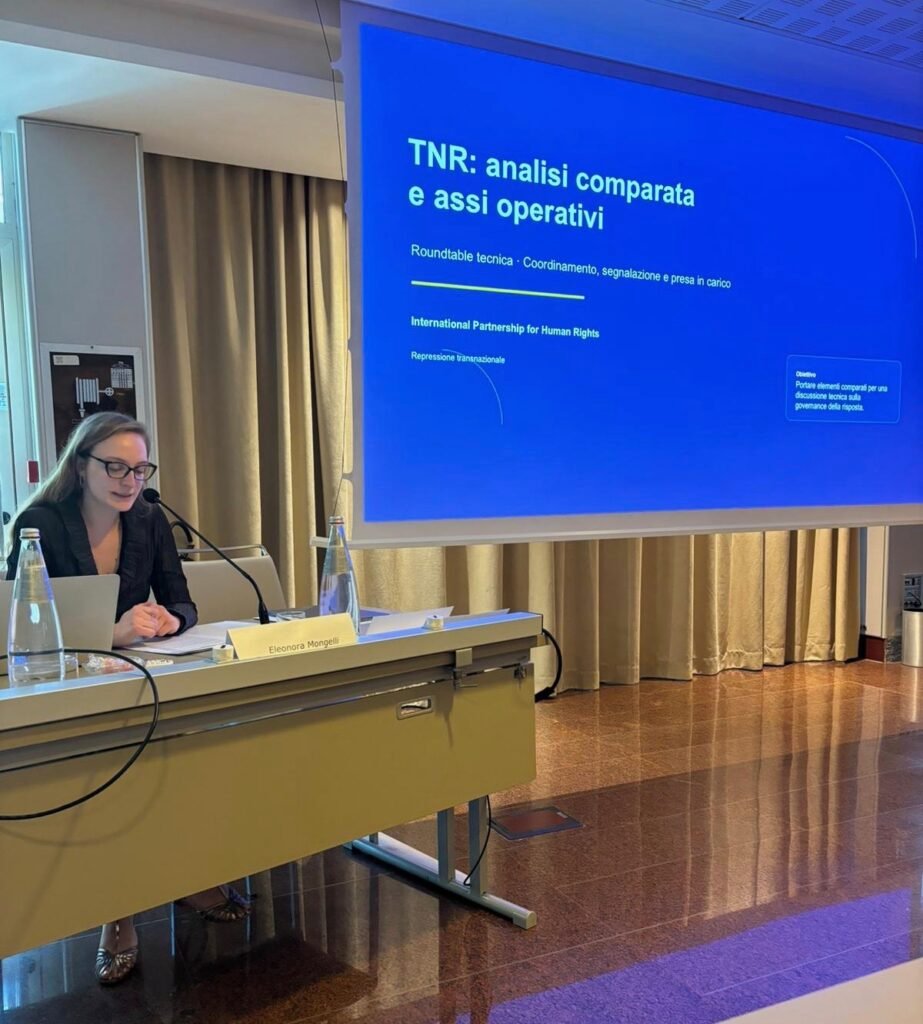
The programme was structured around three closely connected moments: a public conference on the morning of 4 June, bringing together people directly affected by TNR, representatives of diaspora communities, parliamentarians, journalists, academics, lawyers and civil society actors; a technical roundtable in the afternoon of the same day, involving representatives of institutions, the judiciary, law enforcement, civil society and experts on hybrid threats; and a workshop for justice professionals on 5 June, focused on concrete cases, legal tools and the development of a locally rooted network of expertise.

ITALY LAGS BEHIND ITS G7 PARTNERS
Transnational repression refers to the range of practices through which a state, directly or through intermediaries, seeks to obstruct, control, threaten or silence individuals and communities beyond its borders. Its main targets include dissidents, journalists, activists, human rights defenders and members of diaspora communities.
In June 2025, the G7 recognised TNR as a form of foreign interference capable of threatening national security, state sovereignty, human rights and the principles of international law.
Russia, China, Iran, Belarus and Türkiye are among the states most frequently associated with these practices, which range from threats and digital surveillance to the abuse of international judicial cooperation mechanisms.
The comparative analysis discussed during the events indicated that Italy and Japan currently have among the least structured responses to TNR within the G7. While Japan has started to introduce some reform measures, Italy has not yet adopted legislative or structural measures specifically dedicated to transnational repression.
A LEGAL, CULTURAL AND POLITICAL CHALLENGE
The three events highlighted that existing legal tools may offer certain forms of protection, but they are not embedded in a common framework capable of recognising TNR as a coordinated pattern of conduct.
Threats, stalking, surveillance, pressure on family members, abuses of extradition requests, smear campaigns and identity-document issues are often treated as isolated incidents and handled by different offices or authorities. This fragmentation prevents the broader pattern of intimidation and control from being properly reconstructed.
Italy also lacks a national strategy that frames TNR as a systemic hybrid threat and connects the protection of affected individuals with national security, the fight against foreign interference and the protection of the information ecosystem.
KEY TAKEAWAYS
The events examined the tactics of transnational repression both in their more visible forms and in less visible forms that are harder to document.
Visible mechanisms include the abuse of INTERPOL Red Notices and politically motivated extradition requests.
The case of Ukrainian theatre director Yevgeny Lavrenchuk was presented as a paradigmatic example. Lavrenchuk, known for his critical views towards Russia, was arrested while transiting through Naples airport on the basis of a Russian Red Notice grounded in financial charges. He remained in detention for 76 days, even though INTERPOL later deleted the notice for violating Article 3 of its Constitution, which prohibits the organisation from being used for political purposes. The case showed how the automatic mechanisms connected to Red Notices and provisional arrest may produce serious consequences before the potentially political or abusive nature of a request is fully assessed and before the defence is able to gather all the necessary evidence.
Less visible tactics, increasingly widespread and facilitated by new technologies, include physical and digital surveillance during demonstrations and public events, doxing, online harassment, infiltration of community networks, smear campaigns and pressure exerted on family members who remain in the country of origin.
The events also addressed the refusal by some authoritarian states to renew passports or issue documents to their nationals abroad. This practice may force dissidents and refugees into a situation of growing administrative precarity or push them to return to their country of origin, where they may face arrest or persecution.
Testimonies from Belarusian, Iranian and Russian communities, together with cases of Chinese transnational repression presented by journalists and lawyers, illustrated the daily consequences of TNR: fear, isolation, self-censorship, difficulties in family relationships and the progressive destruction of trust within diaspora communities.
Among the cases discussed, that of Teacher Li, one of the most prominent Chinese dissidents living in Italy and followed by around two million people on X, highlighted the challenges faced by Italian protection systems even when the person concerned is highly exposed and has obtained a form of international protection. During the workshop, participants discussed the pressure exerted on Teacher Li, including threats, intimidation, surveillance near his homes in Italy and pressure on family members who remain in China. The case also highlighted the need to strengthen operational coordination among law enforcement authorities at the territorial level, so that protection measures and risk monitoring can be ensured with continuity, including when the person concerned moves from one city to another.
The discussion also raised broader concerns about the protection of personal data in administrative and judicial proceedings, particularly in cases involving asylum seekers and individuals exposed to risks of transnational repression.
OPERATIONAL PRIORITIES
Several operational priorities emerged from the discussions to strengthen Italy’s capacity to prevent, recognise and address transnational repression.
Preventive review of INTERPOL Red Notices
Participants discussed the introduction of a preventive review of Red Notices before their inclusion in national search systems, inspired by the French model presented during the technical roundtable.
The aim would be to identify potentially politically motivated requests at an early stage and prevent automatic arrests based on abusive or instrumental notices.
Interministerial coordination
The events highlighted the need for a stable national mechanism connecting different ministries, law enforcement authorities, the judiciary and the competent authorities dealing with immigration, international protection and security.
The Canadian model was discussed as a possible reference for the creation of a structure capable of centralising government action, promoting international cooperation and maintaining direct dialogue with the communities most exposed to TNR.
Reporting channels connected to protection
The creation of dedicated hotlines or reporting channels cannot be limited to the collection of information. Each report should be connected to risk assessment, case management, legal and psychological assistance and, where necessary, concrete protection measures.
It is also necessary to take into account the distrust that people fleeing contexts of state persecution may feel towards channels located exclusively within security or intelligence structures.
A legal definition of TNR
Participants stressed the need for a shared definition of transnational repression as a coordinated pattern of conduct, distinct from the mere sum of existing offences such as stalking, threats, espionage or harassment.
The events also explored the possibility of framing certain forms of TNR as psychological torture under international law, drawing on precedents from the European Court of Human Rights, the International Criminal Tribunal for the former Yugoslavia and the United Nations.
Training for first-contact professionals
Structured training is needed for police officers, immigration officials, magistrates, court of appeal judges and lawyers.
These professionals must be equipped to recognise TNR patterns, properly assess victims’ accounts, identify the risks connected to international judicial cooperation requests and interact effectively with INTERPOL and its review mechanisms.
Protection of identity and personal data
High-risk individuals need measures that limit the possibility that their address, movements or other sensitive information may be obtained through registers, administrative proceedings, databases or judicial files.
Among the solutions discussed was the possibility, within the limits of the applicable legal framework, of protected domiciles or registration arrangements that prevent the easy identification of the address of exposed individuals.
National and territorial coordination
Protection measures cannot depend exclusively on personal relationships with individual officials. Formal protocols are needed across different territories to ensure continuity in case management when the person concerned moves or changes the competent authority.
Tailored protection measures
Recognition of refugee status or international protection should be accompanied, in the most serious cases, by an individual security assessment and by measures proportionate to the risk.
These may include psychological assistance, protection of family members, digital security, data protection, support in dealing with public administrations and procedures to manage transfers and changes of domicile.
A stable, multidisciplinary network rooted in the territories
Participants proposed the creation of a network connecting lawyers, civil society organisations, diaspora communities, academics, journalists, magistrates and law enforcement authorities.
The network should facilitate the sharing of information, experience, tools and best practices, and should be based on replicable protocols rather than personal relationships or occasional forms of cooperation.
Political responsibility
It is necessary to recognise the dual judicial and political-administrative dimension of extradition proceedings and other forms of international cooperation.
Alongside the work of the judiciary, political commitment is needed to identify the vulnerabilities of the system, prevent abuses and promote reforms consistent with the protection of human rights and national security.
THE ROLE OF LAWYERS
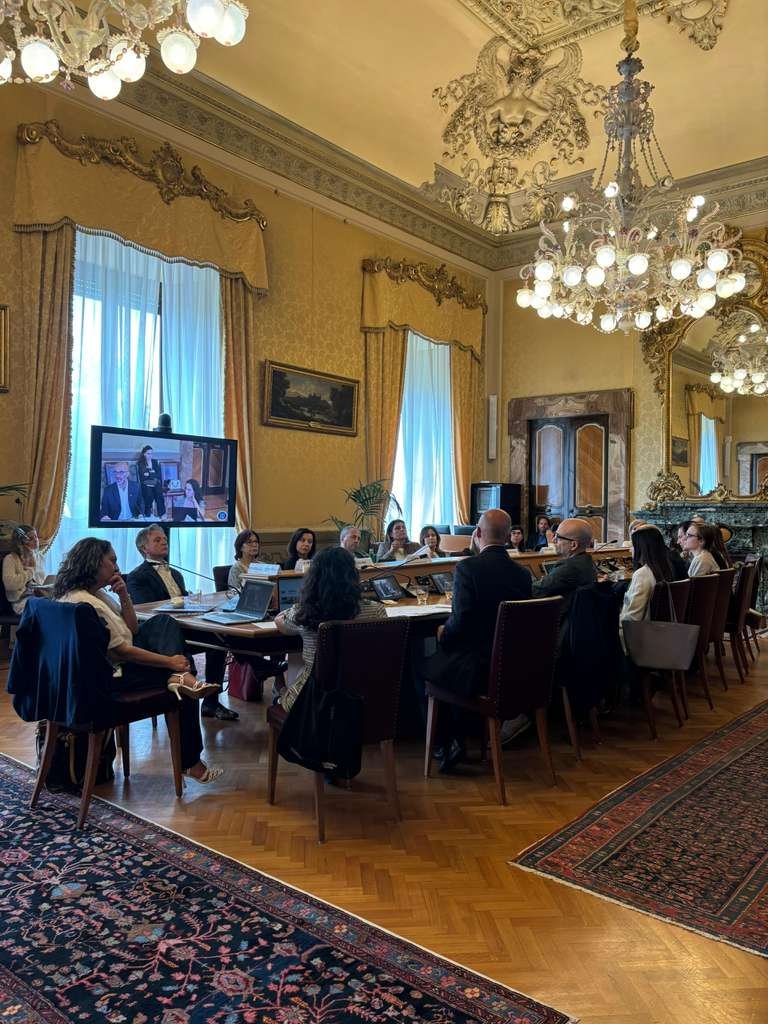
The workshop held on 5 June, organised by FIDU and IPHR in cooperation with European Lawyers’ Union (UAE), highlighted the crucial role of lawyers as the first and, in some cases, only point of contact for people affected by transnational repression.
Lawyers are often the first professionals able to identify a coordinated pattern of intimidation behind a series of apparently disconnected incidents. They can also collect and preserve evidence, protect sensitive information, challenge extradition requests or INTERPOL notices, support international protection procedures and direct victims towards other forms of assistance.
However, lawyers often operate in conditions of strong asymmetry, having to respond to automatic mechanisms that are triggered before a full defence can be built. This is compounded by the lack of specific training on how to recognise TNR in practice.
The workshop therefore proposed the creation of a locally rooted network of lawyers, civil society organisations and diaspora communities, capable of sharing information, intervention models and best practices.
Participants also discussed the possibility of developing forms of strategic litigation, not only to protect individuals but also to expose structural gaps and promote change in the way Italy recognises and handles cases of transnational repression.
NEXT STEPS
The conference, technical roundtable and workshop represented a first step towards building a more aware and coordinated Italian response.
FIDU and IPHR intend to continue the work initiated in Rome by promoting further training and discussion opportunities at national and local level, strengthening cooperation with the legal profession and affected communities, and contributing to the development of operational tools and reform proposals.
Transnational repression cannot be addressed as a series of isolated incidents. Its coordinated nature must be recognised, the protection of victims must be linked to democratic security, and a stable, multidisciplinary response must be built on cooperation among institutions, professionals and civil society.